The Implant Market Landscape
There are over 200 implant brands globally, ranging from premium systems (Straumann, Nobel Biocare) to value-oriented options. For a growing practice, the right system balances clinical quality, cost-effectiveness, and manufacturer support.
Key Factors to Evaluate
1. Surface Treatment Modern surfaces like SLA (sandblasted, large-grit, acid-etched) and micro-grooved textures accelerate osseointegration. Look for peer-reviewed evidence supporting the surface technology.
2. Connection Type - Internal hex — Most popular; offers excellent anti-rotational stability and ease of use. - Conical (Morse taper) — Provides a cold-weld seal, reducing micro-leakage and crestal bone loss. - External hex — Legacy design, still used but less popular in new systems.
3. Prosthetic Portfolio Ensure the system offers a wide range of abutments (straight, angled, multi-unit, custom), healing caps, scan bodies for digital workflows, and temporary components.
4. Surgical Kit Quality A well-organised, intuitive surgical kit saves chair time. Look for colour-coded drills, depth stops, and torque-indicating ratchets.
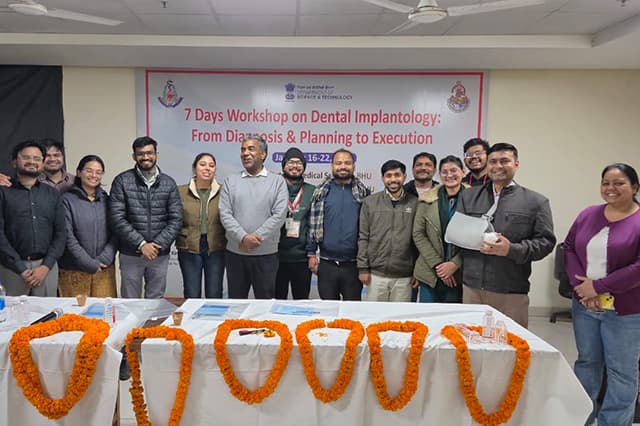
5. Manufacturer Support & Training The best implant companies invest in clinician education. Kindway BioReZens, for example, offers monthly hands-on workshops, digital planning masterclasses, and 24/7 clinical support.
Price vs. Value
A₹ 2,000 implant that fails in 3 years is more expensive than a ₹ 5,000 implant that lasts 20. Evaluate the total cost of ownership: implant + prosthetic components + potential re-treatment + opportunity cost.
Why Practices Choose Kindway BioReZens
- Competitive pricing without compromising on material science
- Comprehensive kit with all surgical and prosthetic components
- CE & ISO 13485 certified manufacturing
- Dedicated training with 1,500+ workshops conducted
- Made in India — reducing supply chain complexities
Explore our implant range → Products
Share this article