1. Always Start With a CBCT Scan
Two-dimensional panoramic radiographs are not sufficient for implant planning. A cone-beam computed tomography (CBCT) scan provides 3D information about bone volume, density, vital structures, and pathology that can change your treatment plan entirely.
2. Think Prosthetically First
The final restoration should dictate the implant position — not the other way around. Use a diagnostic wax-up or digital smile design to determine ideal tooth position, then work backwards to plan the surgical site.
3. Evaluate Bone Quality, Not Just Quantity
Adequate ridge width and height are important, but so is bone density. Type IV bone (very soft) may require under-sized drilling protocols and longer healing times. Pre-operative assessment prevents surprises in the operating room.
4. Master Soft-Tissue Management
A beautiful implant crown requires healthy, well-contoured soft tissue. Use proper flap design, consider connective tissue grafts in the aesthetic zone, and choose an implant system with platform switching to preserve crestal bone and soft-tissue height.
5. Invest in Hands-On Training
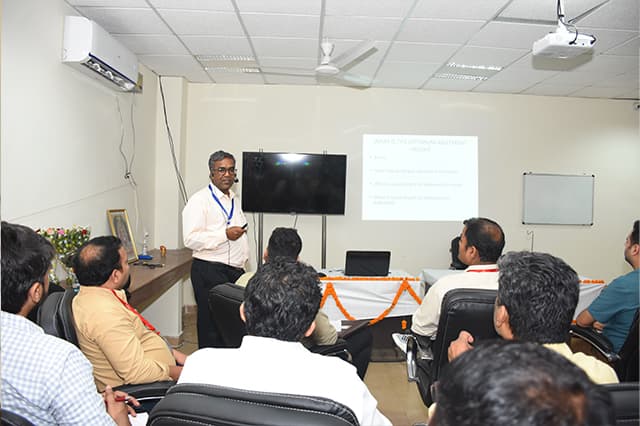
Reading about implants is not the same as placing them. Enrol in a structured hands-on workshop — like the ones Kindway BioReZens conducts monthly — where you can practice on models and eventually on patients under expert supervision.
Ready to level up your implant skills? Register for our next workshop →
Share this article